Manager or Head Coach? Is there a difference within the roles?
Two recent managerial dismissals, both occurring shortly after the managers spoke out to the media, have drawn attention to the evolving nature of roles and responsibilities within modern football clubs.
M Gowie
1/6/20265 min read
Who would be a manager?
Some people live sport by playing it; others consume it from the stands or through a television screen. Many are drawn to coaching and teaching, shaping players by passing on knowledge, methods and belief. Then there are those who find their place in management, leading people, teams, clubs and increasingly complex organisations.
Today, modern football clubs resemble increasingly complex organisations, made up of a vast network of roles. Alongside managers and head coaches sit medical teams, sports scientists, performance analysts, scouts, and recruitment staff. Off the pitch, departments spanning marketing, operations, facilities, and finance play an equally vital role, with many more positions contributing behind the scenes.
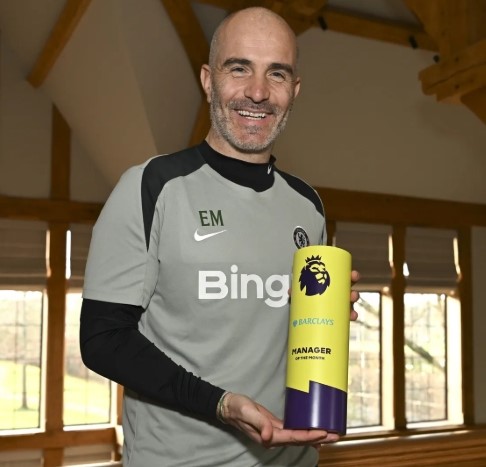
Pictures above: Chelsea head coach Enzo Maresca smiles while showing off his Barclays Premier League Manger of the Month award for November 2025.
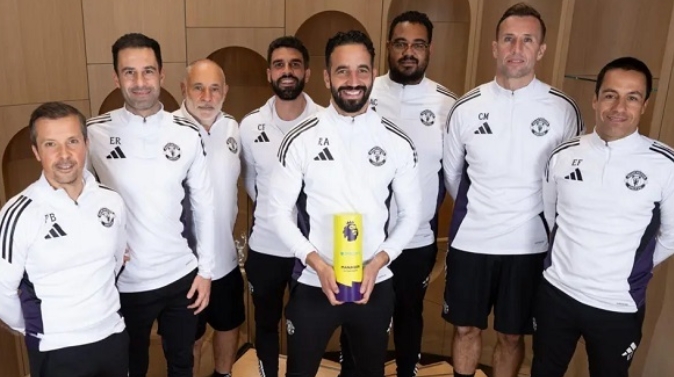
Manchester United manager Ruben Amorim and his coaching staff smile after he received Barclays Premier League Manger of the Month award for October 2025.
All smiles... Really?
The two smiling figures holding Premier League Manager of the Month awards are Enzo Maresca and Rúben Amorim, now former managers, or head coaches, of Chelsea and Manchester United. Yes, former. Less than three months after lifting those awards, both had been relieved of their duties.
Were the smiles simply for show? For the cameras? And if so, what lay beneath them?
For Maresca, it was his second time winning the accolade. In the photograph, he looks like a man expecting many more to follow. Amorim’s moment was different. This was his first Barclays Manager of the Month award, and he chose to share the spotlight, posing with his coaching staff in a picture that spoke of unity and collective purpose. Both images tell a story. Or at least, they appear to.
Which is why what followed is so striking.
Less than six weeks after receiving his award, Maresca made a cryptic revelation to the media following Chelsea’s 2–0 home win over Everton on 13th December: “Since I joined the club, the last 48 hours have been the worst 48 hours since I joined the club because many people didn’t support us.” Many people? Who exactly? Support who, the players, the coaching staff, himself? What had happened in those 48 hours to provoke such a statement?
Amorim too, chose to air his frustrations roughly six weeks after his own award. Speaking after a home draw with Wolves, the Manchester United manager said: “I came here to be the manager of Manchester United, not to be the coach of Manchester United. That is clear… Every department, the scouting department, the sporting director, needs to do their job. I will do mine for 18 months, and then we move on.”
Stripped back, the message sounded unmistakable: Let me do my job, and others should do theirs. But Amorim’s choice of words was revealing. Manager, not coach. In the modern game, that distinction matters more than ever. And perhaps it lies at the heart of why two award-winning figures, smiling for the cameras one month, were out of a job the next.
So, what in today’s football landscape, is the difference between a manager and a head coach and who really holds the power behind the scenes?
Well first of all when Enzo Maresca signed on to lead Chelsea from 1st July 2024 the role was as 'Head Coach' (Enzo Maresca to become Chelsea Men’s Head Coach | News | Official Site | Chelsea Football Club). As like Ruben Amorim, when he signed on the dotted line to lead Manchester United it was as 'Head Coach' (Man Utd appoint Ruben Amorim as new head coach | Manchester United).
So what is the difference and how is it that Amorim seems to have gotten his wire crossed?
Roles of a football manager
Football managers do far more than devise tactics, run training sessions, lead teams onto the pitch and fulfil media obligations. Traditionally, the role has also encompassed key sporting responsibilities such as player and staff recruitment, performance development, academy integration and acting as a central link between the squad and the club’s hierarchy. Beyond the sporting side, managers have often carried significant operational duties, including logistics and travel planning, elements of player administration and even aspects of budgeting.
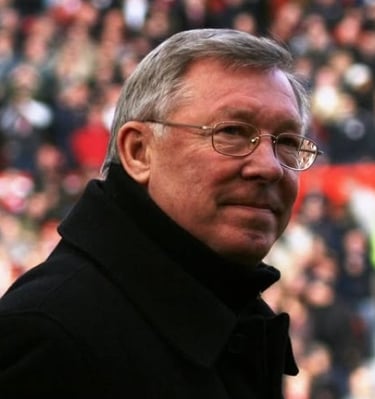
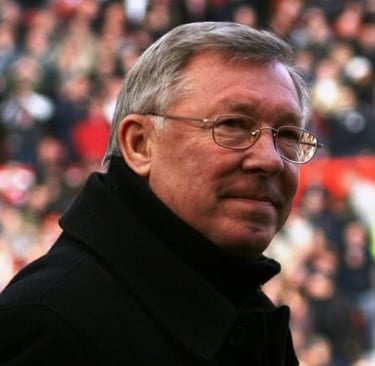
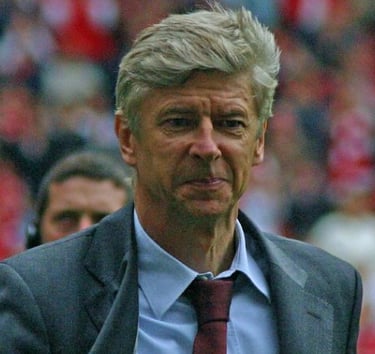
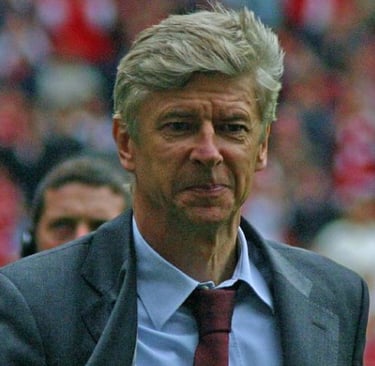
Iconic football managers who have managed in the premier league include Alex Ferguson (Manchester United) and Arsene Wenger (Arsenal). (Pictured below in that order)
Roles of a head coach
The head coach of a football team is primarily focused on the on-field technical and tactical aspects of the game. This includes the training and development of players, as well as the planning and delivery of high-quality, structured coaching sessions. Team management remains a key responsibility. Head coaches are tasked with managing player behaviours, discipline, and attitude both on and off the pitch. They must also motivate individuals and groups, provide emotional support and build confidence within the squad. In addition, head coaches are expected to analyse both individual and team performances, identifying strengths to be reinforced and weaknesses that require improvement.
Evolution of the roles
Were Maresca and Amorim trying to tell us that modern football clubs really do now operate more like corporate organisations, with clearly defined departments and specialist roles.
Sporting directors oversee recruitment strategy.
Data and analytics teams influence player identification.
Performance staff manage conditioning, recovery, and workload.
The head coach, in many cases, is left to focus primarily on the training ground and matchday preparation.
This shift has altered not just the job description, but the balance of power. Where managers once held overarching authority, they are now often one voice among many in a crowded decision-making structure. The title head coach reflects this reality.
It is within this context that Amorim’s words take on greater significance. His insistence on being a manager, rather than merely a coach, suggests a desire for influence beyond tactics and team selection. It points to frustration with a system in which responsibility is shared, but accountability ultimately rests on the individual in the dugout.
Maresca’s cryptic remarks hint at a similar tension. When support fractures behind the scenes, between departments, executives and football staff the manager is often the first to feel the consequences.
Smiles for the camera may win awards, but they do not guarantee alignment within the organisation.
As football continues to evolve, the question remains: is the modern manager 'Head Coach' still truly a manager at all or simply the most visible face of a far more complex machine?